

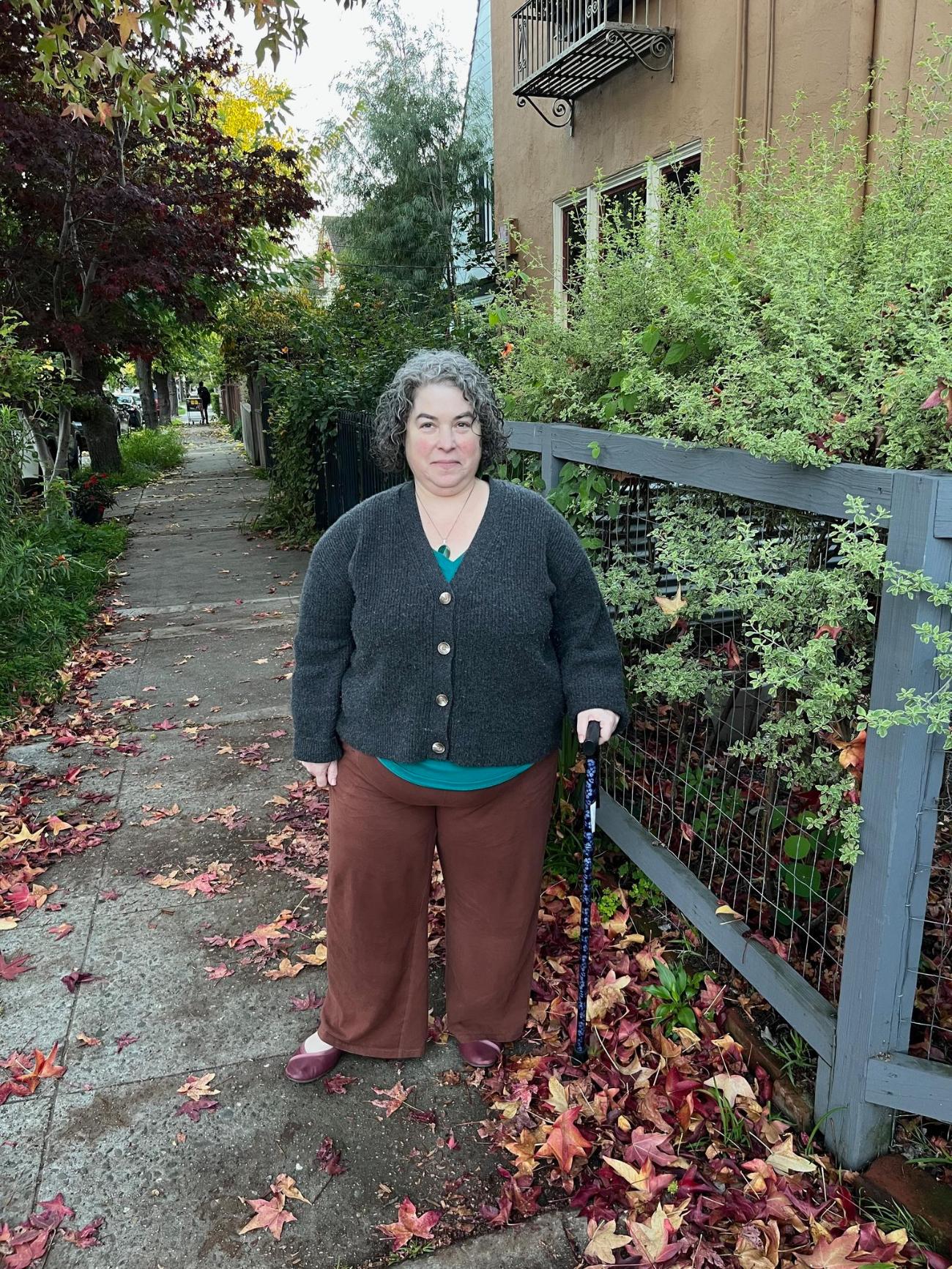
Accessible travel is personal for me. I have an energy-limiting chronic illness, walk with a cane, and struggle with distance and stairs, so I know exactly what it means to have to calculate how much of my daily walking budget will be used up just getting to and from the hotel. Add in my family members with celiac and my neurodivergent kids who have real sensory needs when we travel, and I know how many things planning an accessible trip can include.
Fora has awarded me its accessibility specialist distinction, meaning I've completed the trainings and practical requirements for this qualification. I care deeply about making travel available to people with all kinds of challenges, and I know accessibility isn't just about wheelchair access. Here are three other ways it shows up for me and my clients.
Accessible travelWhen the challenge is yours
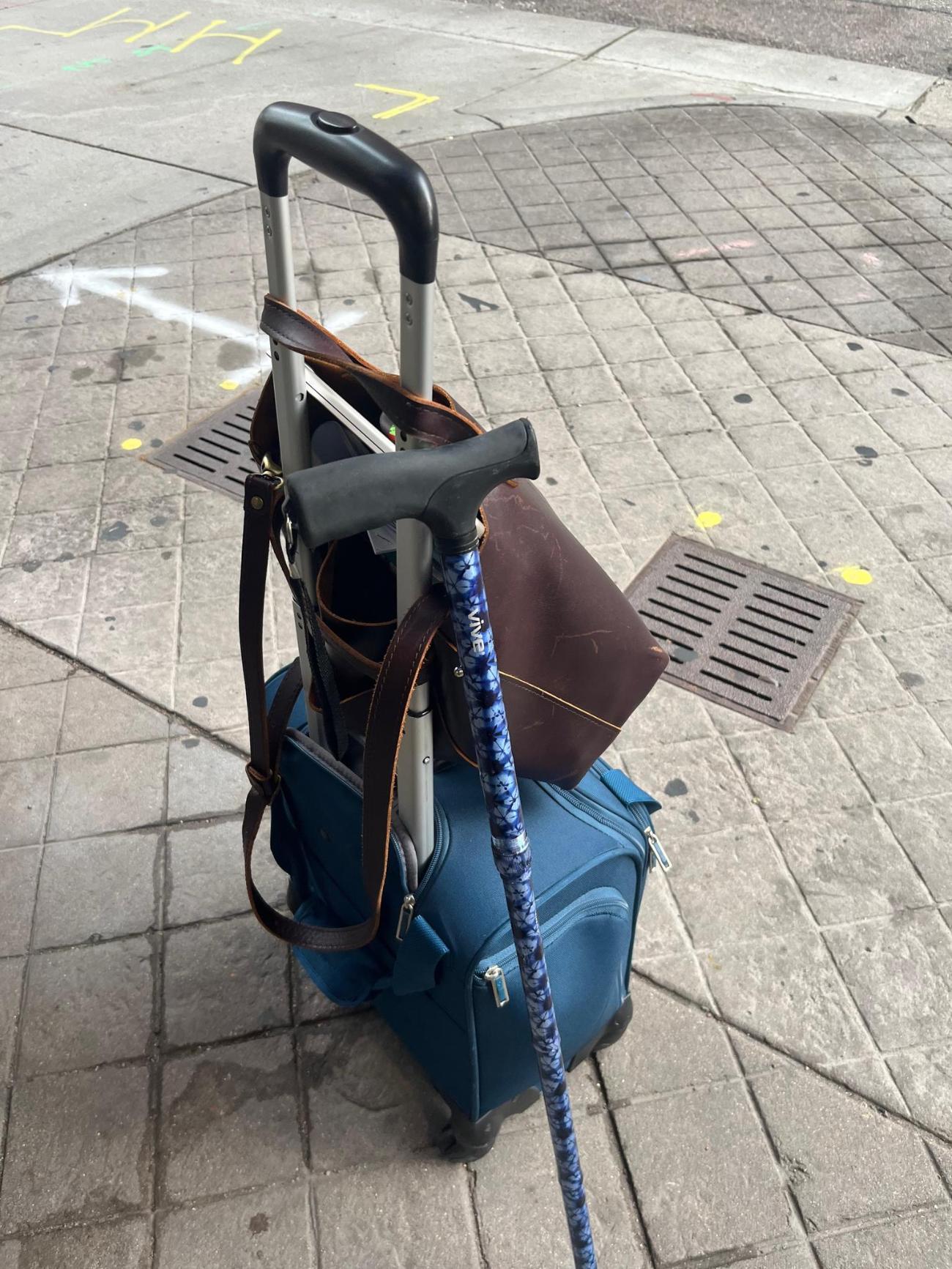
Mobility challenges vary widely, and most of the information you find online assumes you're either in a wheelchair or completely able-bodied. It's harder to plan for someone who can walk some distance but not any distance, or whose energy and mobility change from one day to the next. I work with each client to figure out exactly what will support them on the trip, whether that's a mobility aid, a wheelchair at the airport, a specific room setup, or a private tour that moves at their pace.
For a client's recent trip to Italy, she knew she had to limit her daily walking, so we planned a golf cart tour of Rome for her first day. She got a great introduction to the city without exhausting herself for the rest of her stay.
Accessible travelMultigenerational trips

When I'm planning a multigenerational trip, I often find there is a member of the group who needs extra consideration. Pacing the trip carefully is key, making sure to allow for the different needs of children, parents and elders. Sometimes that means a ground-floor room or a private driver. Sometimes it means splitting the day so the energetic half goes hiking while everyone else takes a slow morning, and the whole group meets up for dinner.
Sometimes it means finding activities that work for everyone, like the zipline experience I discovered that would let a grandmother and her granddaughter both participate. According to my client, by the end of it all the zipline staff were "cheering for grandma"! That's the kind of trip I'm always hoping to plan.
Accessible travelWhen you have a neurodivergent traveler
Every neurodivergent traveler has different needs. These can range from food preferences to sensory sensitivities to a need for quiet breaks during the day. In my family, we tend to spend a bit more on lodging so everyone has a private space to retreat to, build rest time into the itinerary, and research restaurant menus carefully before we go. For your family, you might have entirely different needs. I work carefully with my clients to make sure nervous system needs are part of the plan.
Planning a trip around someone's needs? Tell me what it has to include.
Insider infoCruises, the secret weapon for accessible travel
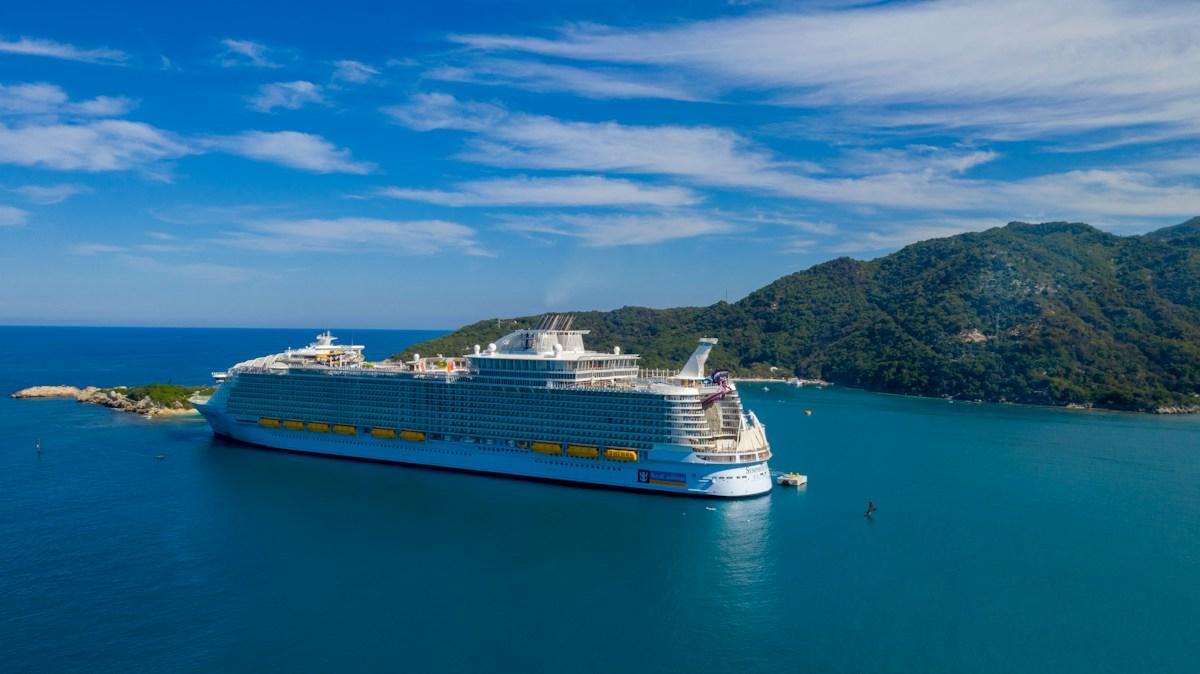
If walking, energy, or food restrictions shape how you travel, a cruise solves several problems at once. You only unpack once, and your room comes with you from port to port. No dragging suitcases between hotels, and no new layout to figure out every few nights.
You choose shore excursions to match your energy that day: a full tour when you're feeling strong, a short stroll near the pier when you're not, or a quiet day on board when that's what your body is asking for. And dining is easy. You don't have to hunt for a restaurant at the end of a long day or interrogate a waiter about gluten, because the meals are right there and the kitchen already knows your needs.
I also check which ports are docked and which require a tender, a small boat from the ship to shore that can be difficult with a wheelchair or unsteady balance, before I recommend an itinerary. If you've ruled out cruising, it may be worth a second look.
Trip reportTrips are so much more than hotels
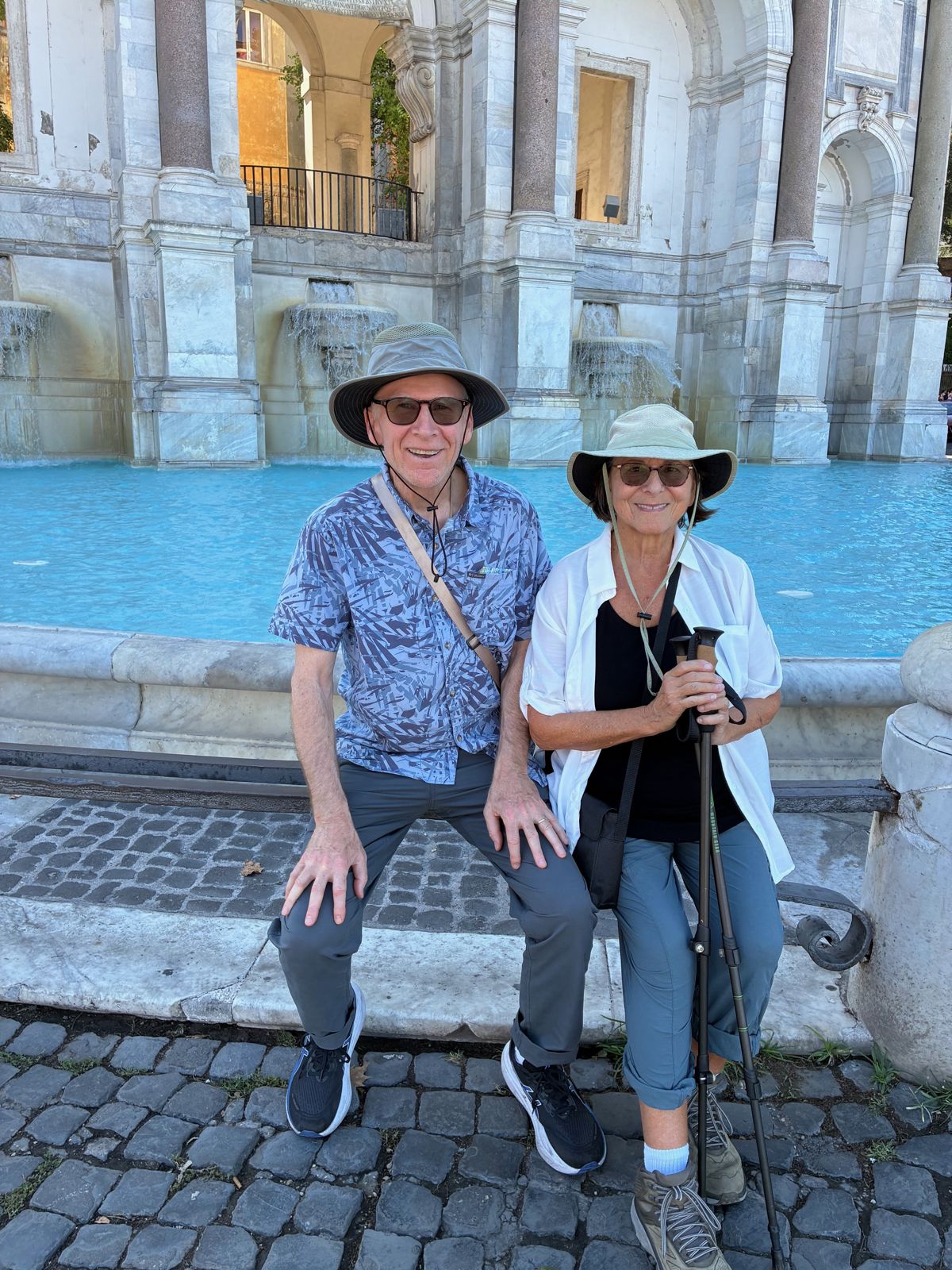
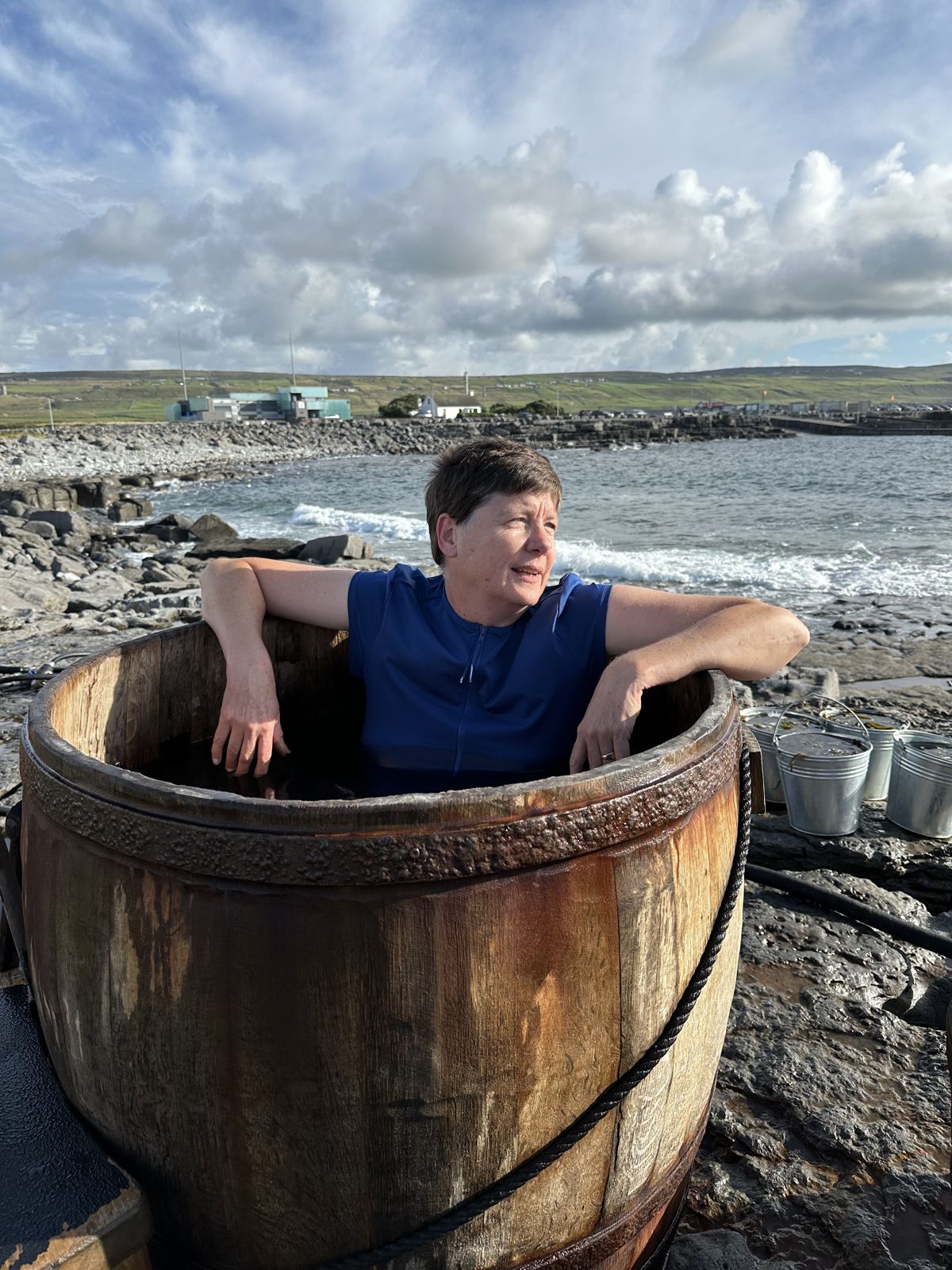
Here one client enjoys a fountain in Rome, another experiences an Irish seaweed bath, and another eats breakfast on the Ocean train that takes you from Quebec to the Maritimes.
Hotel pickHyatt Regency Monterey
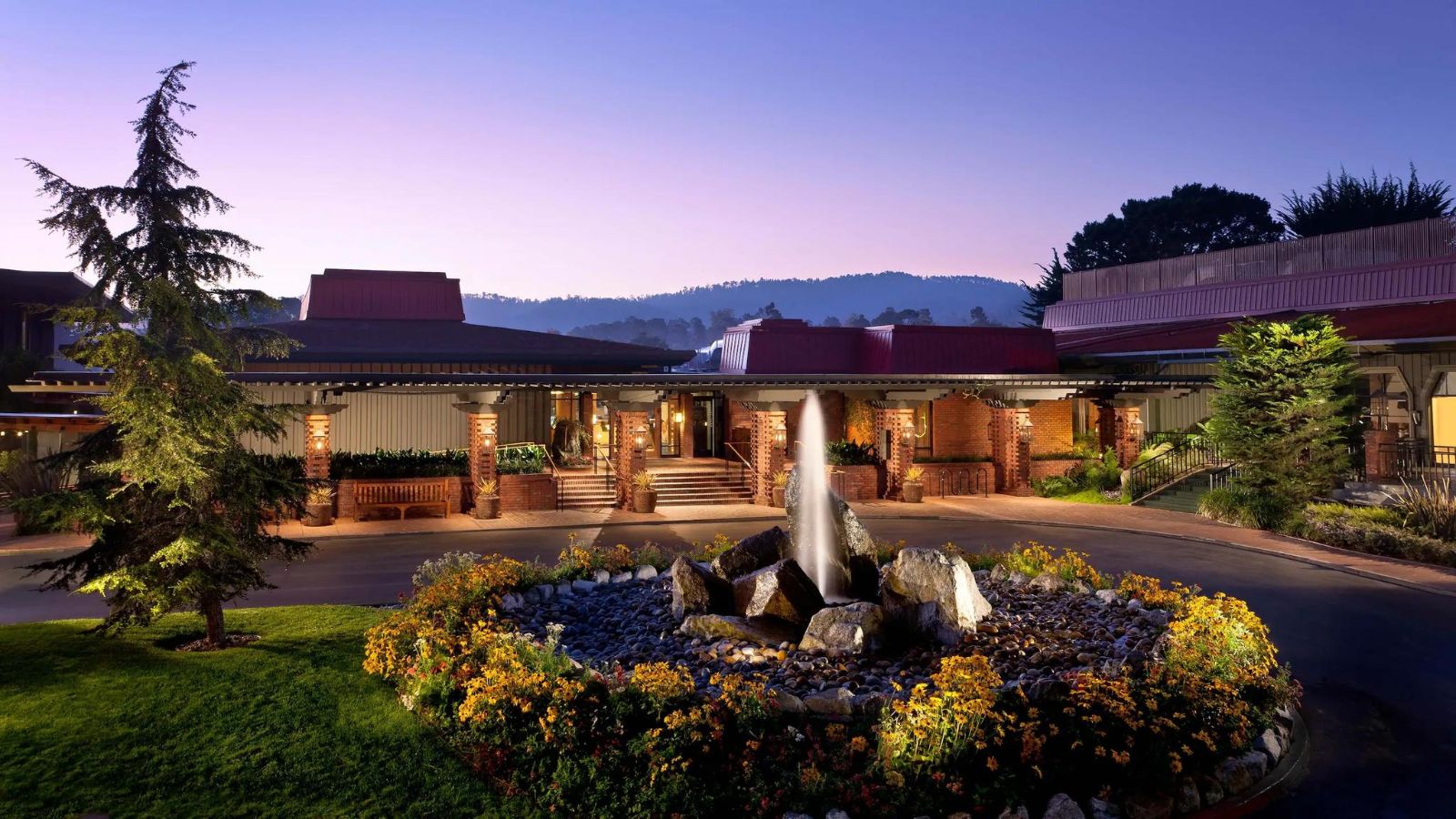
Heather, who worked with me on her family's British Columbia trip, came back with a simpler ask: a weekend in Monterey hosting her in-laws. Thanks to my Preferred Partner perks, they had views, an upgraded room, a complimentary bottle of wine, and a great family experience.
"Rebecca was the perfect travel doula. She greatly lightened the mental and logistical load of a fairly last-minute 12-night trip to Ireland, handling everything from lodging at various price points to the rental car and ferry ride."Dana H., Ireland