

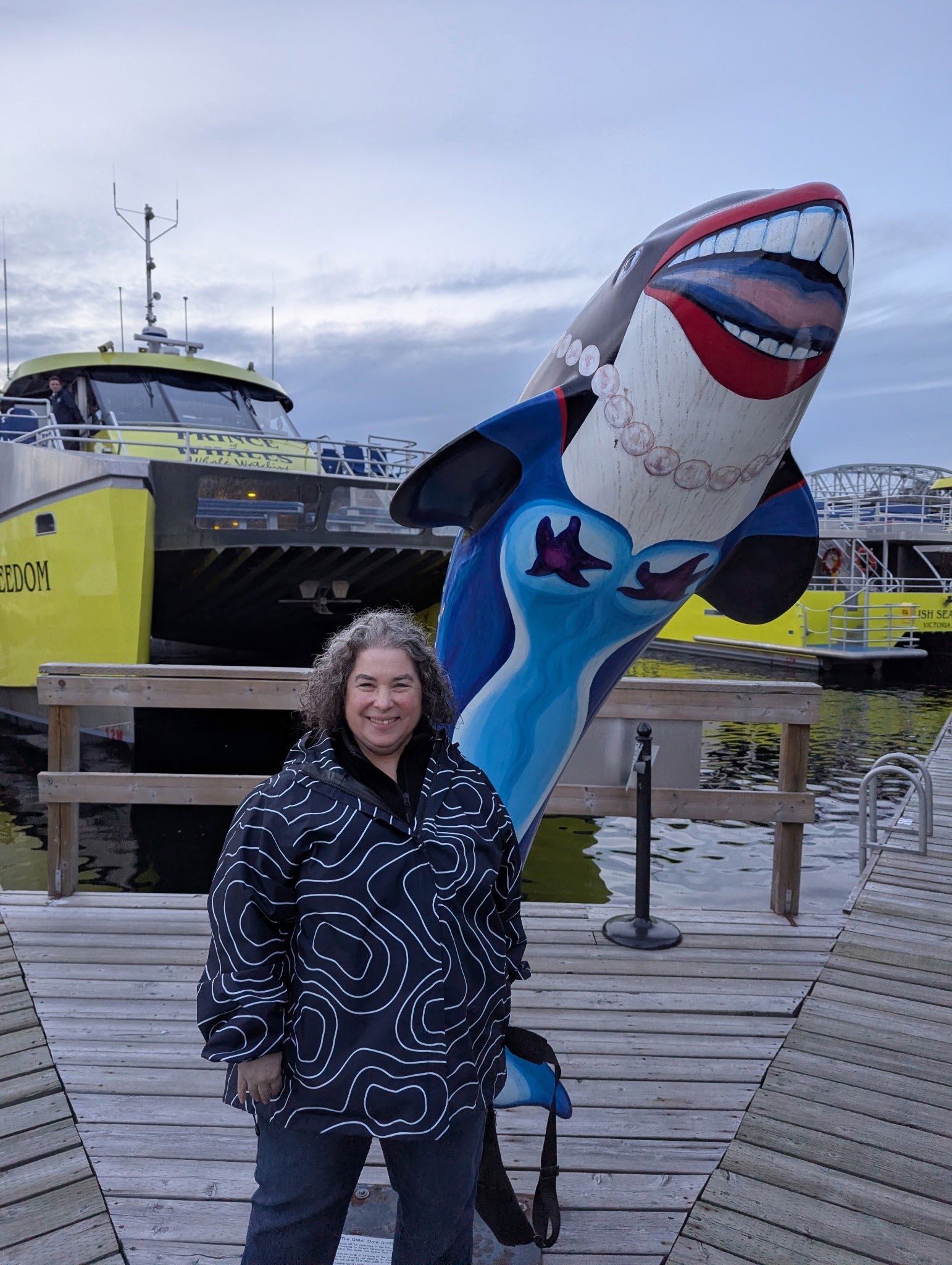
I am not a cruise person. I barely even know any cruise people. Spending two weeks in the middle of the ocean on a floating casino sounds like my worst nightmare.
But it turns out I'd been arguing against one kind of boat, and there's a whole other category that has almost nothing to do with what I was picturing. These are ships carrying under 200 people, staffed by naturalists and historians rather than cruise directors, that tie up in the middle of a town and stay overnight so you can go ashore for dinner and come back. You unpack once and wake up somewhere new, and nobody at any point makes you do a formal night.
Here's the other thing I didn't know: these book out a year or more ahead. The good cabins on the small ships go early, so the time to think about one is well before you'd think to start. Here are three worth knowing about.
Small-ship cruise #1Alaska with National Geographic
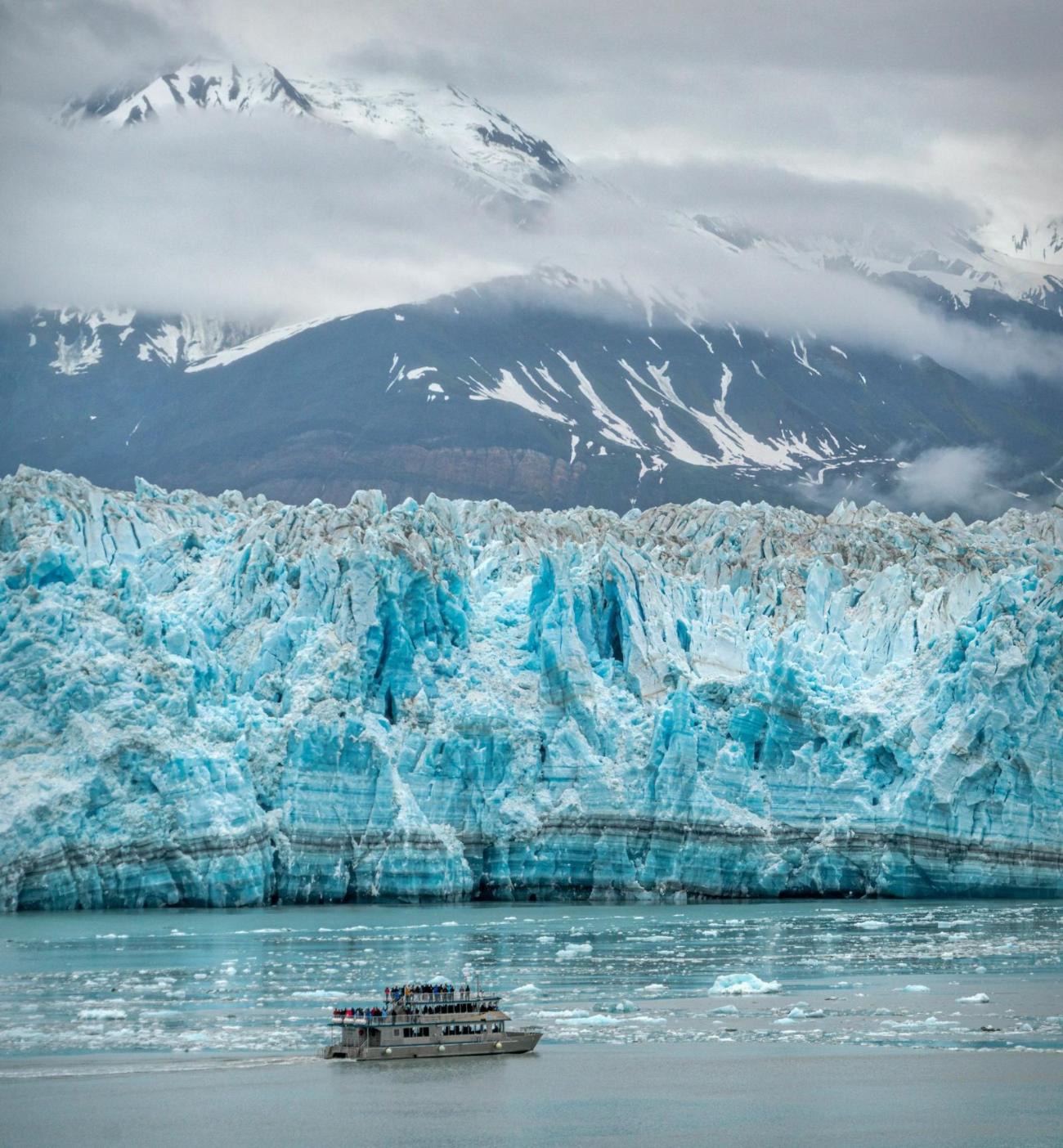
The National Geographic ships in Alaska carry around 100 people, small enough to get into coves and channels a bigger hull just can't fit through. The schedule bends to whatever the day turns up. If the expedition leader spots humpbacks bubble-net feeding, the ship stops and everyone goes up on deck.
You're sailing with working naturalists, people who can tell you what you're actually looking at, and many boats carry a professional photographer to teach you how to capture wildlife on film. Most days you're out in a kayak or a Zodiac instead of lining up for a gangway. The fitness bar is lower than you'd think. If you can walk a dog for twenty minutes at an easy pace, you'll get plenty out of it.
There are different length sailings. I'm personally excited about the eight-day journey between Sitka and Juneau, with a full day in Glacier Bay National Park.
Small-ship cruise #2The Norwegian fjords
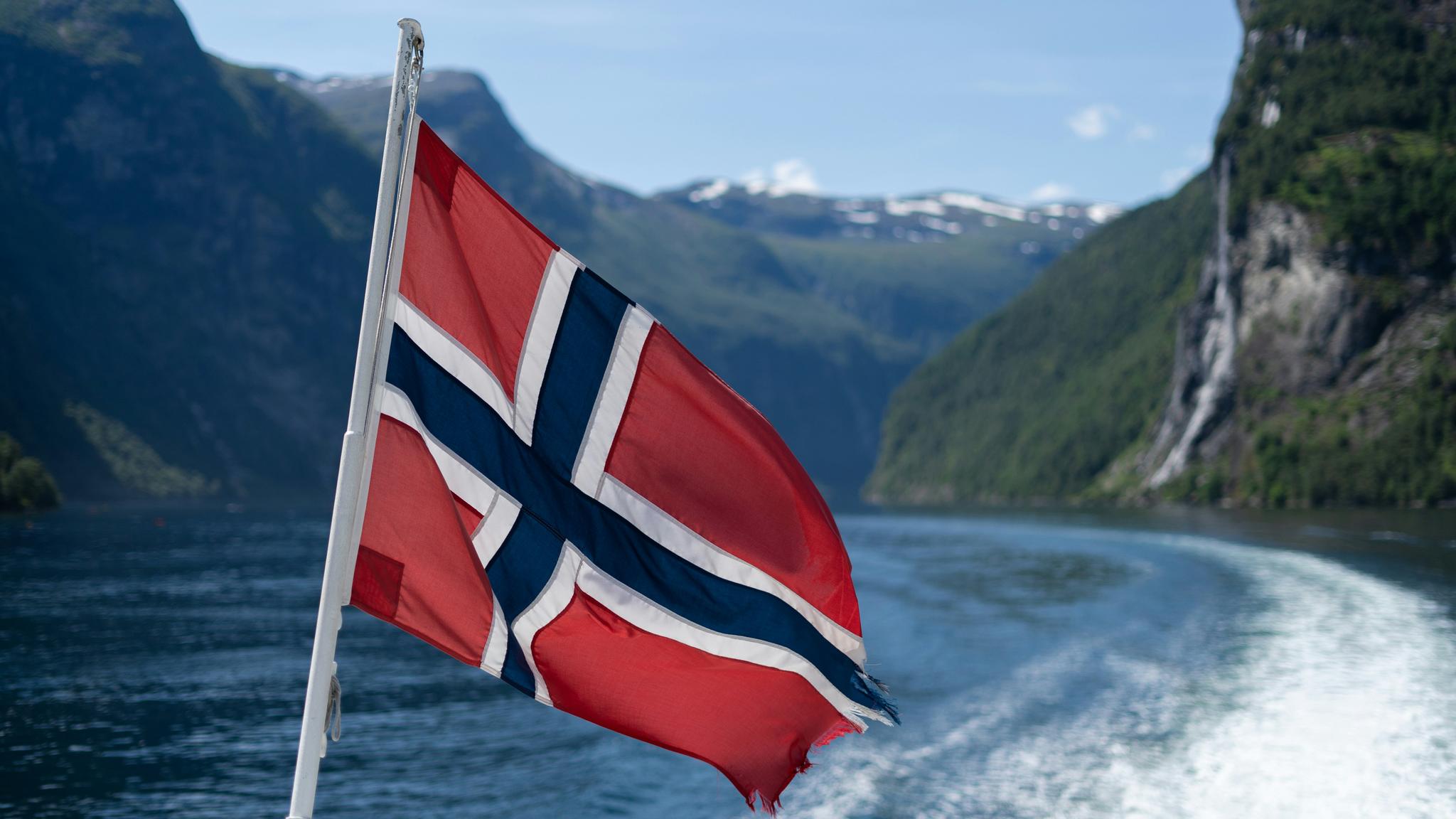
A hundred years ago there was no way for mail or supplies to reach Norway's remote coastal settlements. Enter Hurtigruten, still contracted by the government to be the coast's public transport, and now available as a deeply local cruising experience. The kitchen sources close to 80 percent of what it serves from more than 70 Norwegian suppliers along the route, so what's on your plate is hyperlocal too.
The full route covers 34 ports and 2,500 nautical miles, and you can mix and match any segment of it, all the way from Bergen up to the Arctic Circle. In the summer you're sailing under the midnight sun, and in the winter you're chasing the Northern Lights. There's no entertainment program keeping you on board. The boat is your bedroom, and the whole coast of Norway is your adventure.
Small-ship cruise #3European rivers
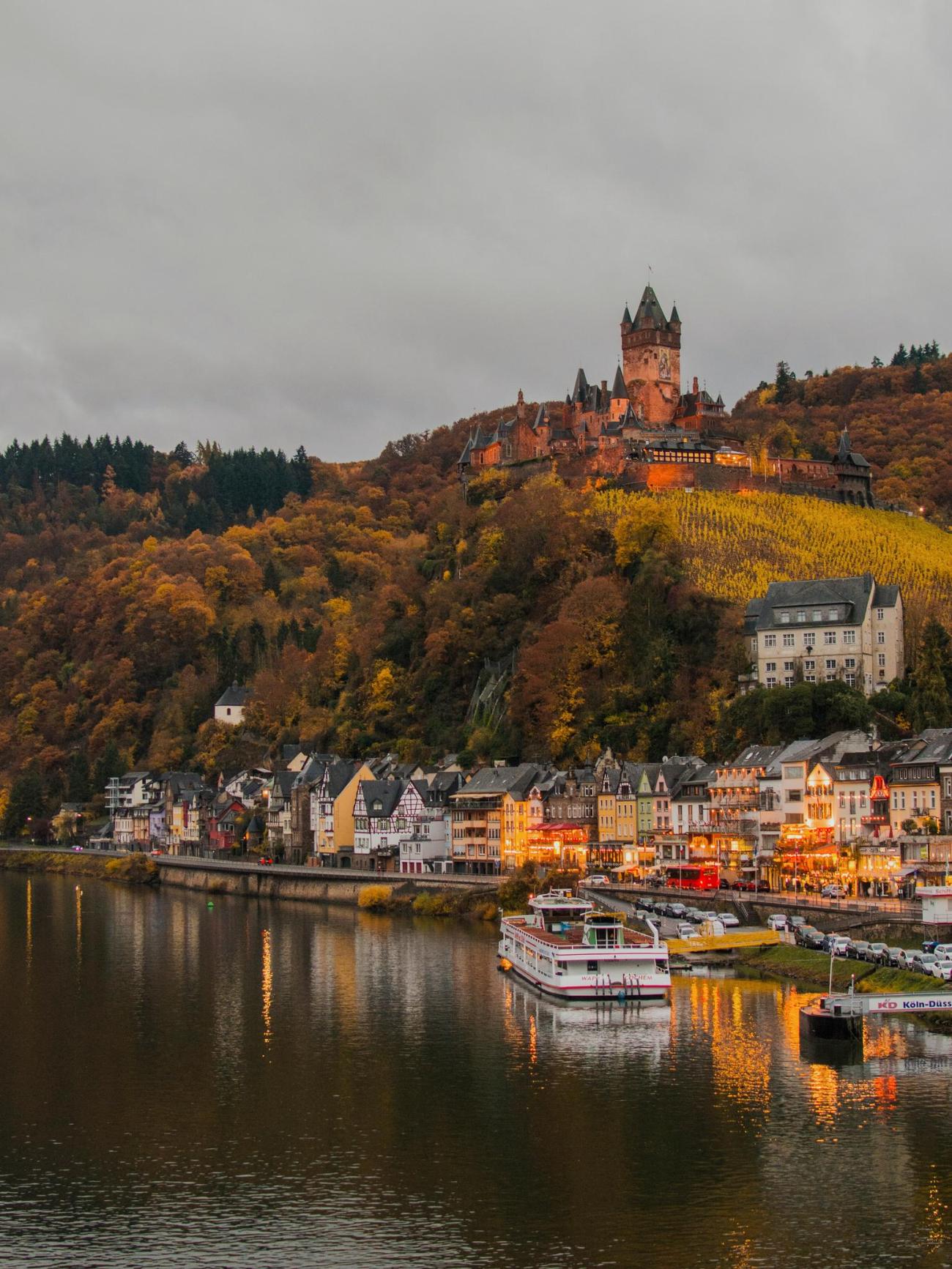
River ships carry somewhere between 90 and 200 guests and tie up where the town actually is, which is the whole argument. You walk off into Vienna or Budapest, spend the day, and walk back on when you're done, with no tenders, no lines, and no forty-minute transfer in from a container port. There's a new place almost every morning instead of the sea days you spend staring at open water. The water is flat, so seasickness isn't really a factor, and most of what you'd otherwise pay for as you go is folded into the fare: meals, wine or beer with dinner, and the excursions, which lean toward cooking classes, guided bike rides, wine tastings, and walking tours.
The Rhine runs from Amsterdam to Basel, and the Danube takes you from Passau or Regensburg through Austria into Hungary, usually finishing in Budapest. France has the Seine and the Rhône, and Portugal has the Douro, which is where I'd send you first: terraced vineyards, port lodges at Vila Nova de Gaia, and a river narrow enough to see both banks the whole way.
The range runs wide, from value lines like Avalon and AmaWaterways up to operators with larger suites and butler service. It's also great for solo travelers, since the scale makes it easy to fall in with people without being obligated to. Seven to fourteen nights, spring through the Christmas market sailings in December.
Thinking about a cruise you'd actually enjoy? Let's talk about it.
Trip previewA road trip across Ireland
I've known this family since our kids were at the same preschool, which is a long time to know people. So it was a particular kind of pleasure to get on a planning call with their son, now 19, and hear him say he wanted to see architecture and nature in Ireland. I used to know this kid's snack schedule. Now he has opinions about buildings.
The planning was a back and forth. They came with a bucket list and a set of really different interests around the table, and I came with routes, drive times, and a sense of what actually fits in a day. Every version went back to them, and they told me what they wanted more of and what they'd rather skip. Their son wanted architecture and landscape, the mom wanted the political history, and we kept adjusting until every person in the family had something on the route they were looking forward to.
They'll drive from Dublin out to the west of Ireland, up through Sligo, and across into Belfast, covering the prehistory, the politics, and the natural wonders. We booked cheaper hostel stays on some nights and higher-end city hotels on others, depending on what the next day asked of them.
Which brings me to the thing I most want you to hear: you don't need a luxury budget to get a customized multi-stop trip. This family had never used a travel planner before and assumed it was for people spending far more than they were. What they didn't want was to lose their whole summer agonizing over which castle, which ferry, which night where. That's the part I take off your hands, at any budget.
"I appreciate so much how you worked with my family's quirks to provide structure, flexibility, and real-world recommendations. You were invaluable to reduce my mental load and help me relax and enjoy my family on vacation. I'm already daydreaming about our future travels with you at the helm."Heather F., British Columbia