


You may not know that I was born in London. I lived there until I was five, and I've been back more times than I can count since then, including a full year living and working there after college.
Which means London is one of the few places where I have an actual history, not just a well-researched itinerary. I know what the city feels like when the tourists have gone home. I know which museums are quietly extraordinary and which are mostly queue and gift shop. I know what it's like to just live there.
When clients ask me about London, they usually lead with the obvious: the Tower, Buckingham Palace, the British Museum. All of those are worth your time. But what I actually want to show people is the city that Londoners have, the one that doesn't require standing in a line for three hours. Here's where I'd start.
London beyond the obviousConsider staying in a neighborhood

The best way to understand London is to spend a few days somewhere that actually belongs to its residents. Two neighborhoods in particular are worth building a stay around.
Hampstead sits on a hill in North London, about ten minutes from the center by tube, and feels like a different world. The village high street has independent shops, long-established cafés, and pubs with fireplaces. Hampstead Heath stretches above it: 800 acres of woodland, open hillside, and swimming ponds, with a view from Parliament Hill that takes in the whole city. Kenwood House, free to enter, holds a small but serious art collection on the Heath's edge. A short walk away, Highgate Cemetery winds up a wooded hillside in a tangle of Gothic Victorian funerary architecture, the resting place of Karl Marx, George Eliot, and other luminaries. It's one of the most atmospheric spots in London.
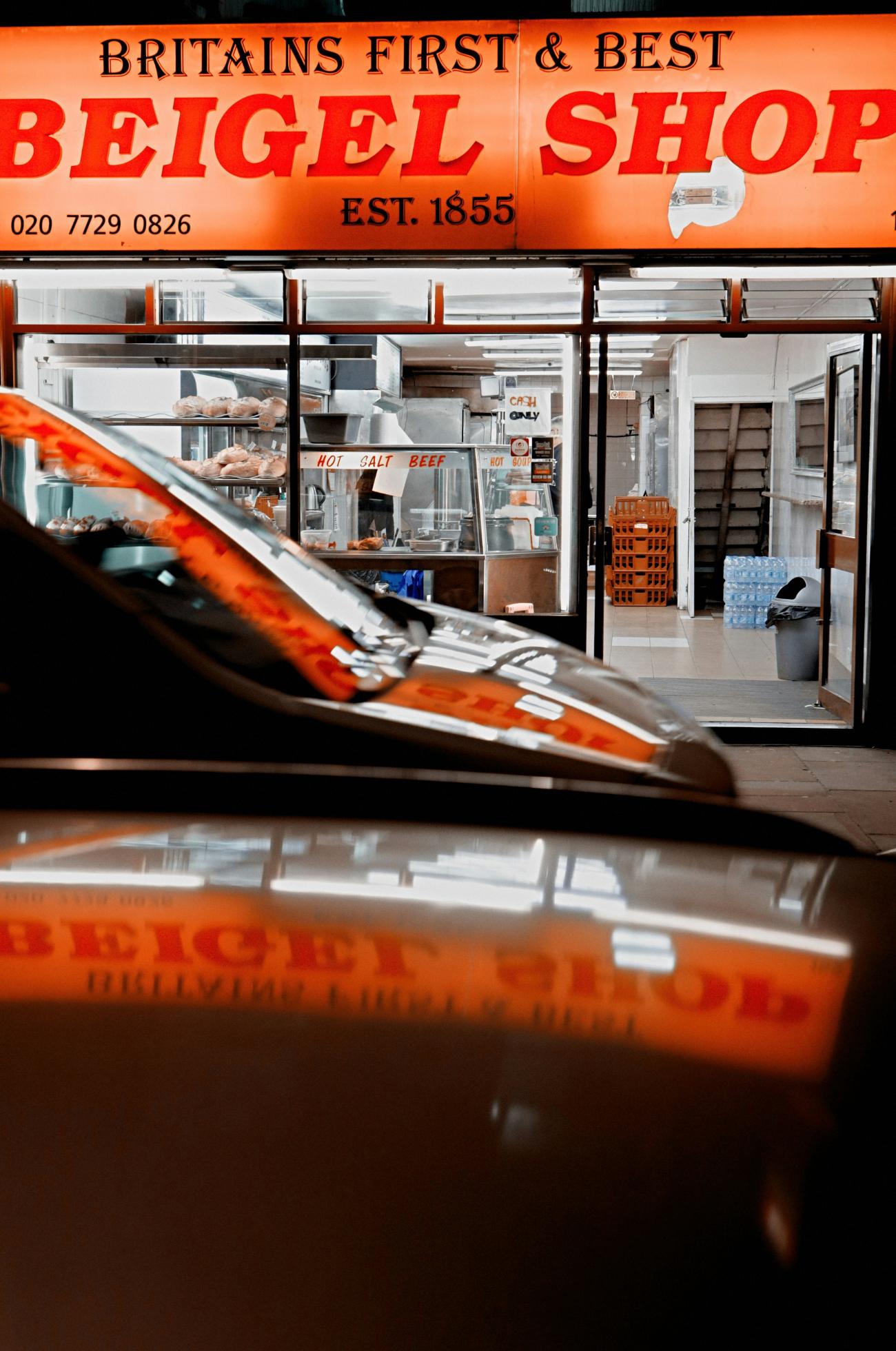
Shoreditch, in the East End, is the opposite energy: emphatically urban, creative, layered. Brick Lane has been the heart of successive immigrant communities for centuries: curry houses, a bagel bakery that's been open since the 1970s, vintage shops, and some of the best street art in the city. Columbia Road Flower Market on Sunday morning, Spitalfields Market, the Museum of the Home: all of it feels more like the London people actually live in than anything you'll find in Zone 1. The food scene is excellent and almost none of it is in the tourist guides.
Both neighborhoods have solid tube access and good hotel and short-term rental options. Both will give you a trip that feels like it happened in London, not just near it.
London beyond the obviousLondon's weirder, better side
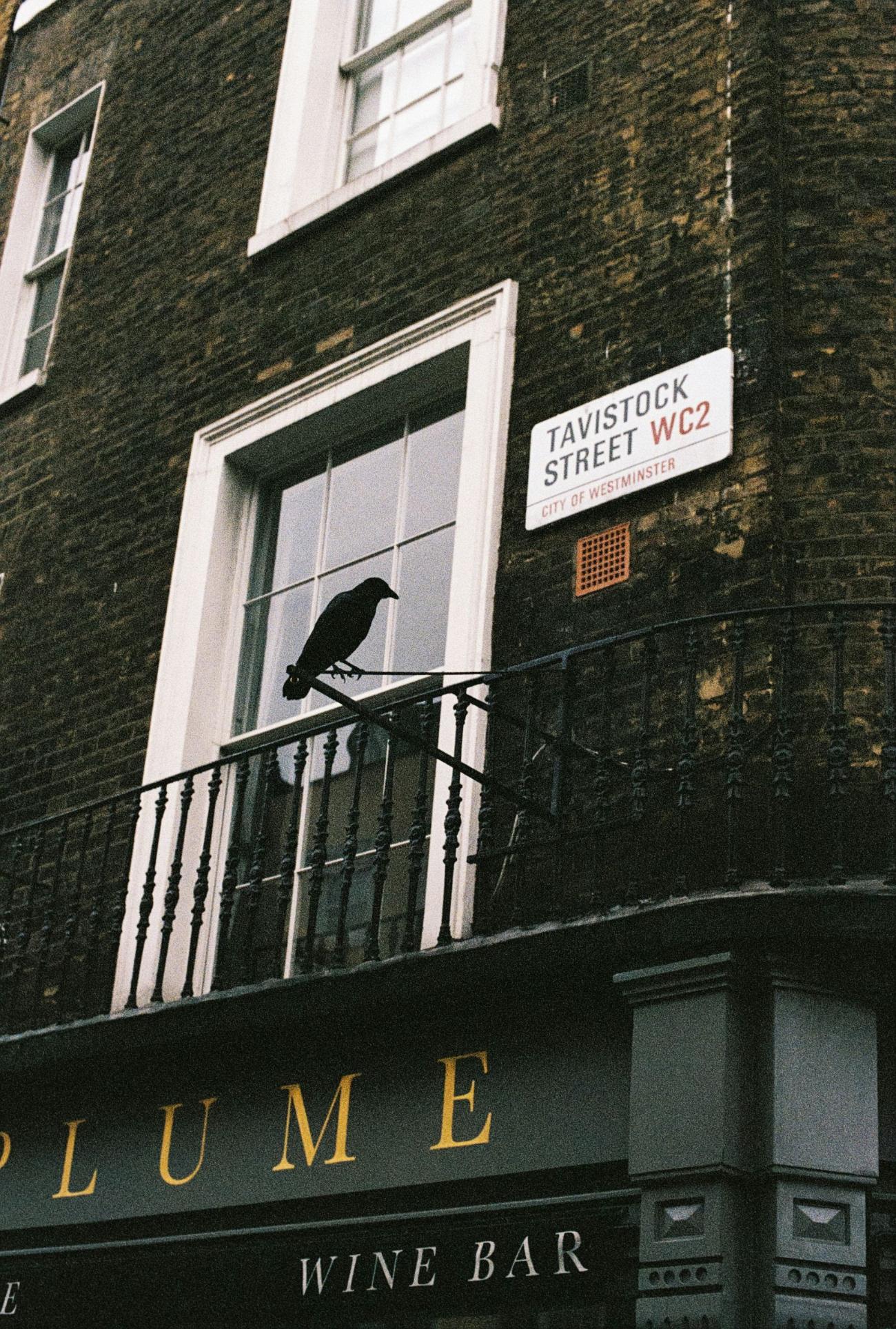
Attend Evensong at Westminster Abbey. The way most tourists see the Abbey, streaming through in a guided group, misses what makes it extraordinary. Evensong is a choral service held most evenings, free to attend, and it transforms the place. The crowds leave, the choir sings, and you're suddenly somewhere genuinely ancient.
Take the Globe Theatre tour. The reconstruction of Shakespeare's original theatre on the South Bank is more interesting than it sounds. The tour covers the history of the original Globe, the archaeology of rebuilding it, and how the choices made in construction shape the performances today. Catch an evening show in the open-air yard if you can.
Ride the Regent's Canal. A narrowboat trip from Little Venice through Regent's Park and down into Camden is an hour of London that looks nothing like what you'd see from the street: back gardens, houseboats, the hidden rear face of the city. Summer only.
Book a witchy history tour. London has more occult, esoteric, and genuinely strange history than almost anywhere else. A guided walking tour through the city's witch trials, secret societies, and hidden ritual sites will be both historically fascinating and unlike anything else you'll do on the trip.
Planning a London trip? Let's build your version of the city.
London beyond the obviousThe museum no one tells you about
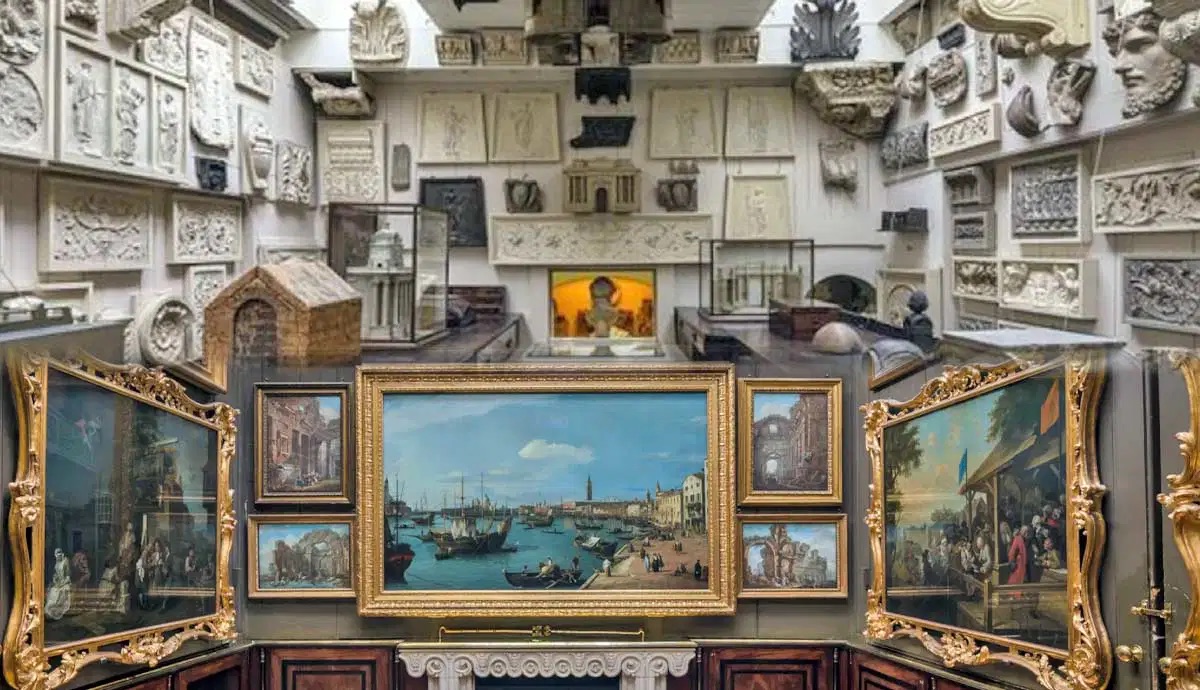
Sir John Soane was the architect behind the original Bank of England, and he spent most of his life filling his Lincoln's Inn Fields townhouse with everything he found beautiful, strange, or worth keeping. Ancient Egyptian sarcophagi. Architectural drawings by the thousands. Paintings acquired one at a time. When he died in 1837, he left the house to the nation with one condition: keep it exactly as he'd left it.
It was. It still is.
Sir John Soane's Museum is free to enter. Arrive early enough to queue for a timed entry slot, give it at least two hours, and come without an agenda.
I helped a client build a Vienna and London itinerary this year. She already knew London well, so I focused on specific finds rather than a full rundown. Her note back:
"The Sir John Soane's House was new to me and it is a GEM! Quirky beyond words and beautifully maintained, and worth standing in line for. I love The Other House Hotel. Well located and very comfortable. Great tube proximity and walkable to good restaurants and pubs."A recent client, Vienna & London
London rewards travelers who resist the urge to see everything. The best trips I've helped plan here have been built around one neighborhood to be from and a short list of experiences that actually meant something, with room left over for what you find when you're just walking around.