


I've spent most of my adult life as a theater director. Like a lot of artists, I wanted my work to do more than entertain. I wanted it to say something, to reflect something, to be in conversation with the world I actually lived in. The connection between making art and caring about social justice felt obvious to me.
What I didn't expect is that the same impulse would follow me into travel planning.
When I work with clients now, I want to help them travel in a way that reflects what they actually care about: where their money goes, what the trip leaves behind, who it benefits. Here are three things I specifically recommend.
Values-aligned travelSlow down
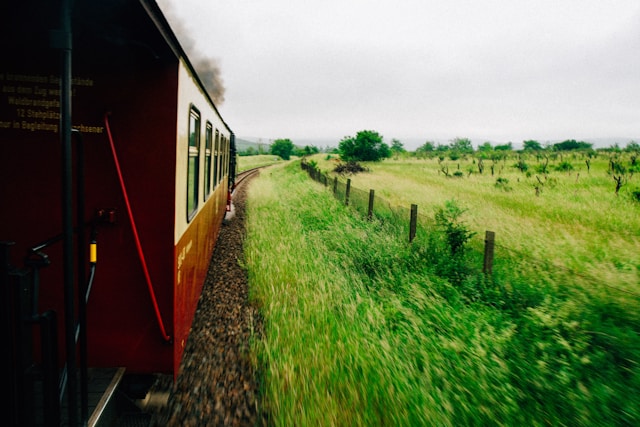
The most effective thing you can do for more sustainable travel is to spend more time in fewer places.
This cuts against how most people plan trips. The instinct is to maximize: if you're flying to Europe, you might as well see five countries. But every additional flight is the most carbon-intensive part of the journey, and rushing through places means you never actually land anywhere.
The alternative is to pick one region and go deeper. Take the train between cities instead of flying. Rail travel in Europe emits roughly 80% less carbon per mile than flying, and it's also a better way to travel. You see the landscape. You arrive in the center of a city instead of an airport an hour outside it. More time in one place means you start to understand it: you eat where locals eat, you find the neighborhood your hotel is actually in, the trip stops feeling like a checklist.
Values-aligned travelSpend your money locally
This is the piece most people don't think about, and it matters as much as the carbon question.
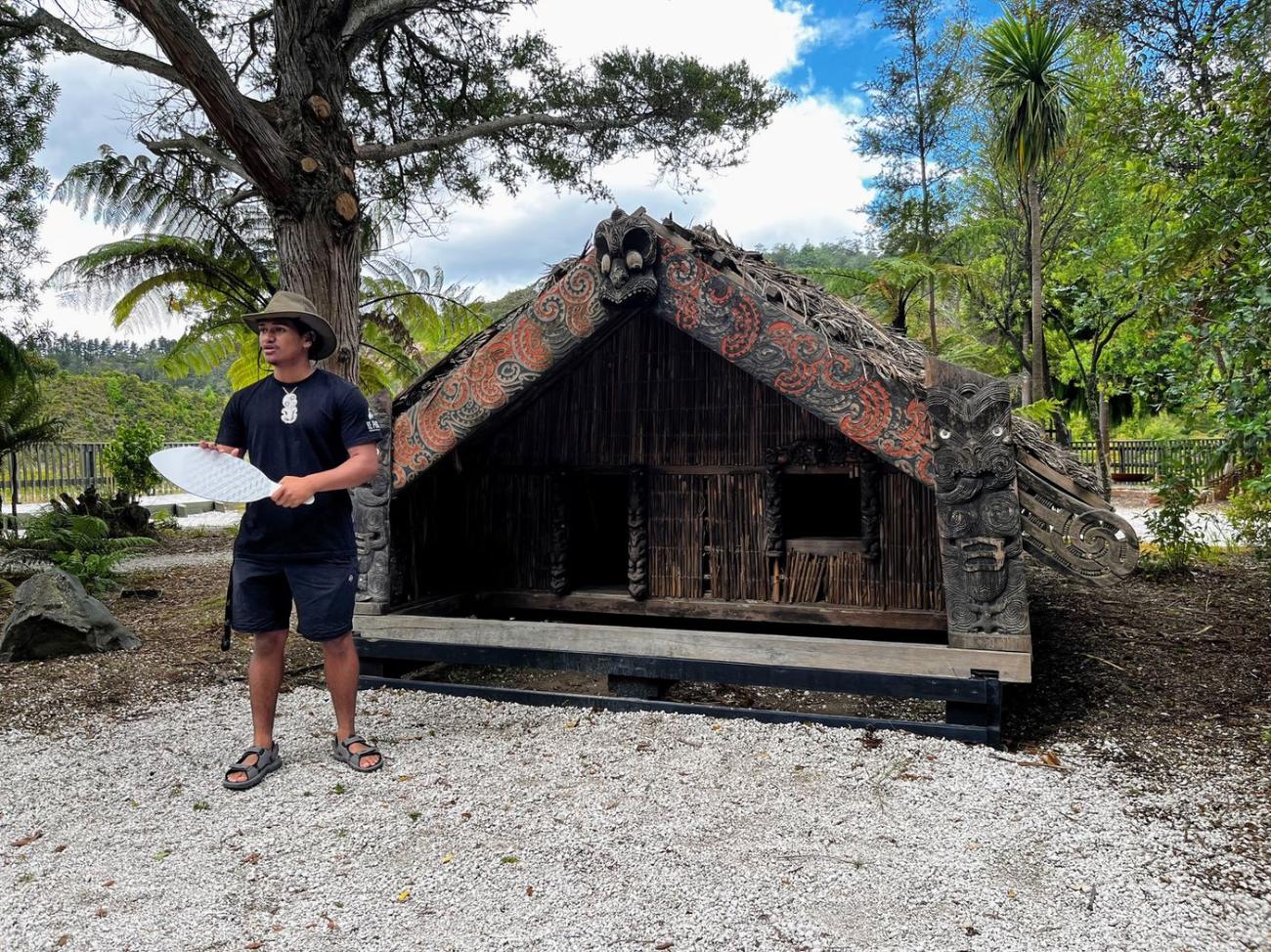
When you stay at a locally owned hotel, most of what you spend stays in the local economy: paying employees who live there, buying from local suppliers, supporting a business woven into the community. When you stay at a chain or resort, a significant portion of that money leaves, to corporate headquarters, to international shareholders, to a supply chain that may have nothing to do with where you are.
The same logic applies to tours and activities. A locally owned walking tour, a family-run cooking class, a guide who grew up in the region: these are better experiences, and they're also a more direct investment in the place you're visiting. I actively look for locally owned options when I'm building itineraries. It takes more research than booking through the obvious channels, but it's one of the more meaningful choices you can make as a traveler.
Want a trip built around what you care about? Tell me about it.
The one you won't expectA cruise can be sustainable
I know. But hear me out.
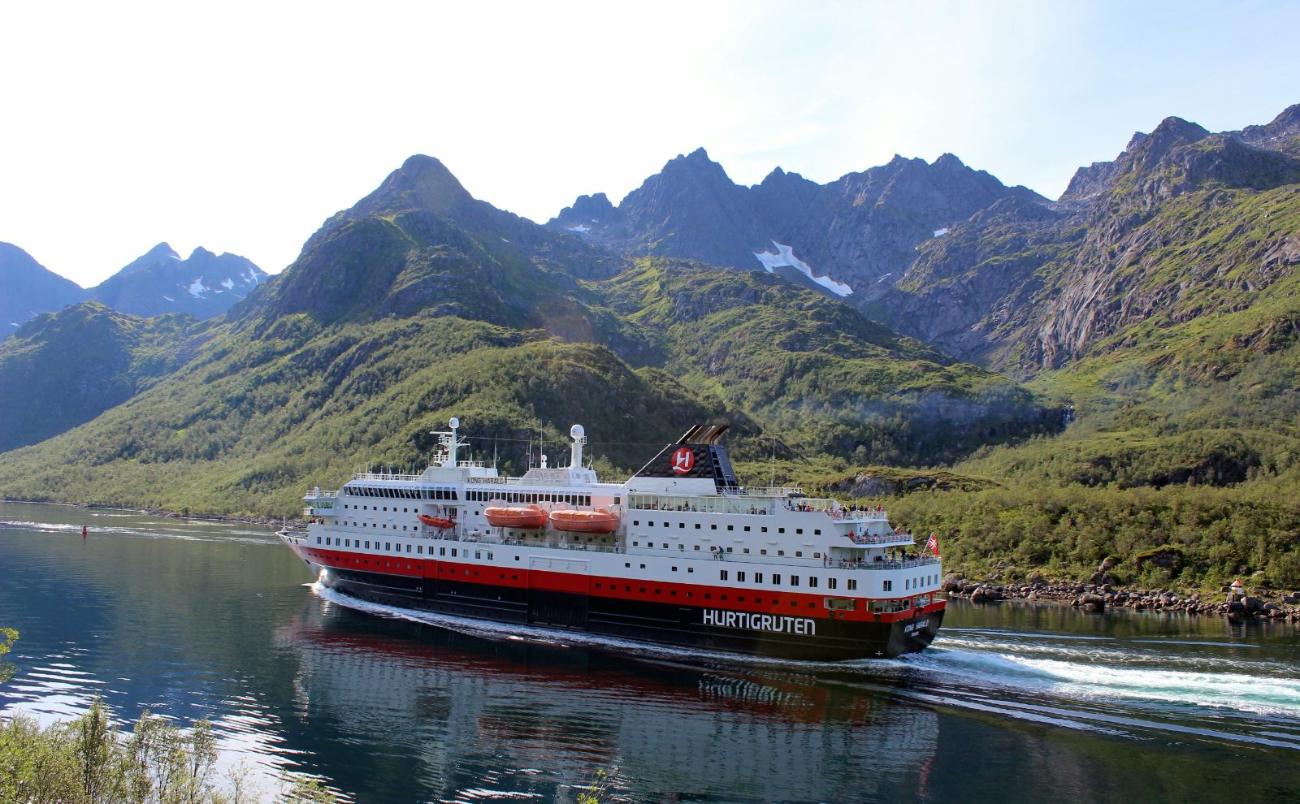
Hurtigruten is Norway's coastal ferry service, and it is genuinely different from a conventional cruise. The ships have been running since 1893, traveling from Bergen north to Kirkenes and stopping at 34 ports along the way, some of which have no road access. This is Norway's postal route, its supply chain, its commuter service. Locals board it to get to work. Fishermen use it. Supplies go on and off at every stop. You board a vessel that is actually doing something.
The sustainability case is real: Norway's electricity grid runs on approximately 90% hydroelectric power, and Hurtigruten has been moving toward hybrid and battery systems on its newer ships. But the more substantive argument is the economic one. You're sleeping and spending in working port towns that aren't built around tourism. The towns along the Norwegian coast exist because of the sea and the fishing industry, not because travelers decided they were picturesque (although they are).
The trip itself is unlike anything else I know how to book. Eleven days on the full route, Bergen to Kirkenes. Winter sailings for the northern lights. Summer for the midnight sun. Shore excursions at working ports. A pace that asks you to actually be somewhere rather than just move through it.
In the fieldBest ramen of her life, so far
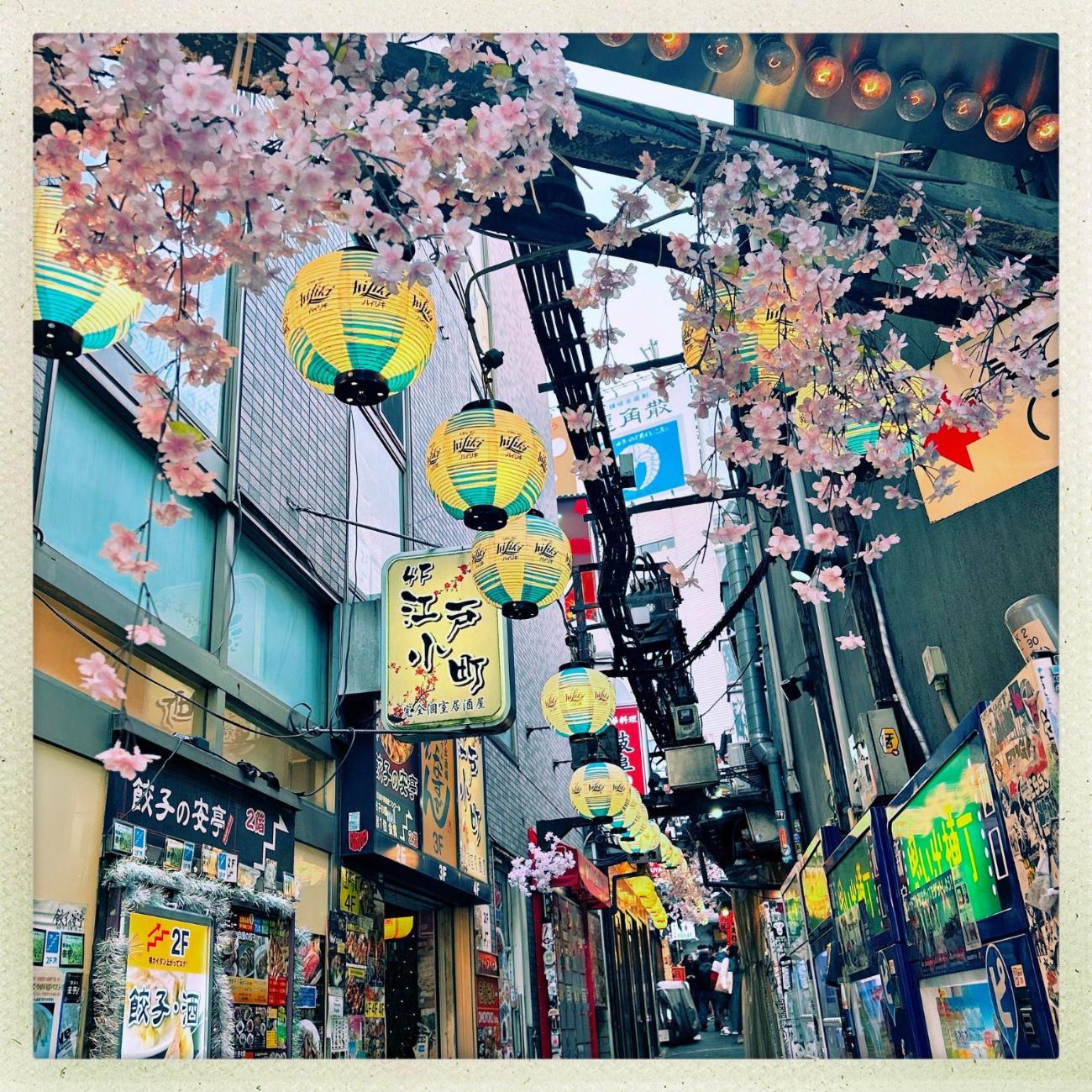
One of my clients was in Japan and shared this photo: "Memory Lane Food Stall in Tokyo. Best ramen of my life, so far." We spent time planning experiences that would let her and her husband see the real Japan, not only the Japan that every tourist sees. That's the kind of sustainable travel I love to plan.